
The causes of gingivitis and its treatment are among the most-searched topics, especially because gum problems can affect both oral health and the appearance of your smile. The issue does not always start clearly; it may appear as simple symptoms such as mild sensitivity or bleeding during brushing, then gradually develop if not handled properly.
That’s why it’s important to understand the causes and early signs of gingivitis so you can act early and avoid complications. In this article, we’ll cover everything you need to know about the causes of gingivitis, treatment options, and associated symptoms.
What Is Gingivitis in Mouth?
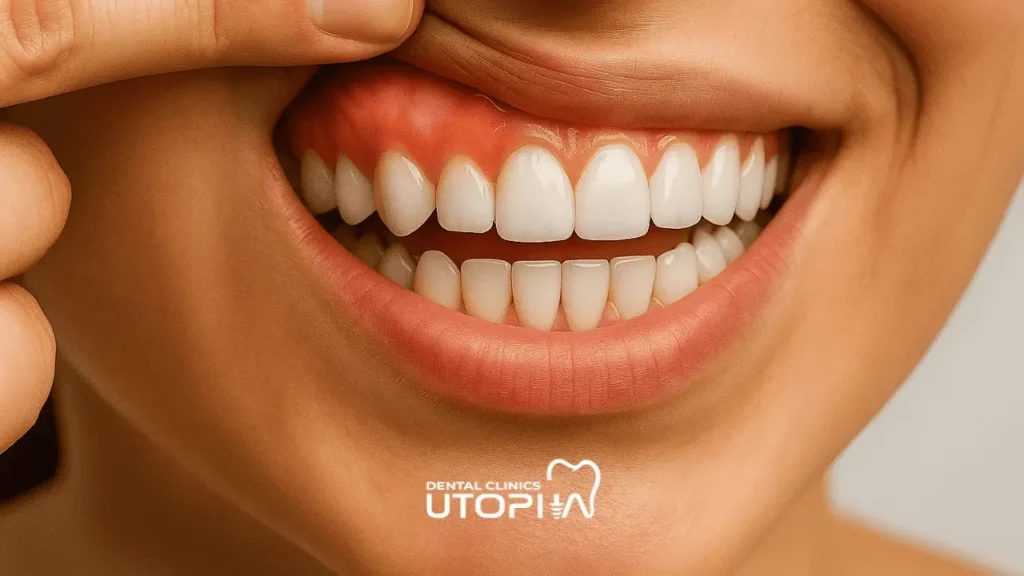
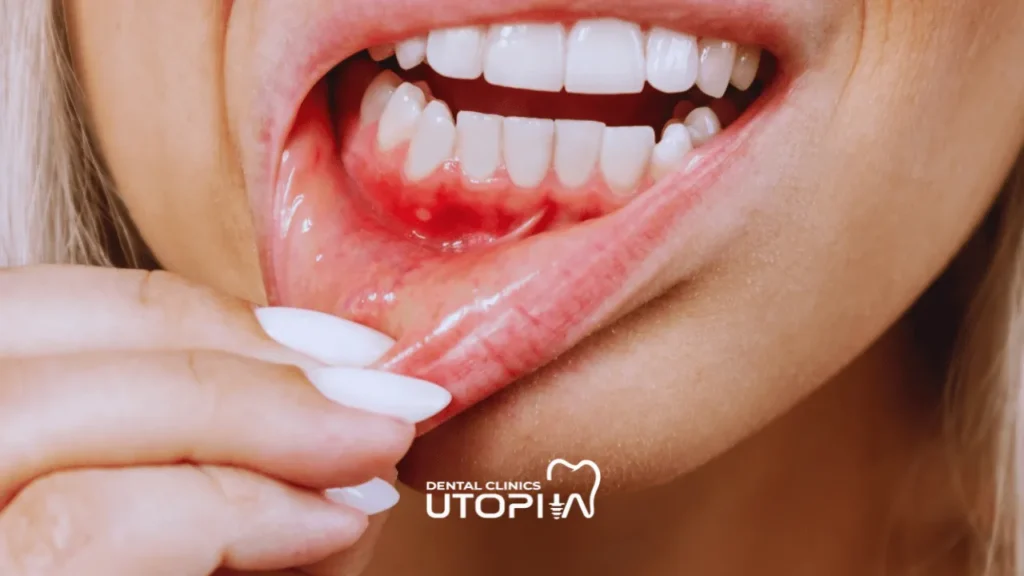
Gingivitis, also known as Gum recession, is a condition in which the gum tissue surrounding the teeth gradually pulls back, exposing part of the tooth roots. This exposure can lead to sensitivity when eating or drinking and increase the risk of root decay and other gum problems.
When searching for the causes of gingivitis and its treatment, we find that understanding the nature of this problem is the first step toward managing it properly.
Gum recession often develops slowly without noticeable symptoms at first, which is why it’s important to pay attention to any changes in the appearance of your gums or any discomfort. Visiting a dentist at the right time can help prevent the condition from worsening.
Types of Gum Recession
Gum recession varies depending on its stage of progression and can be divided into:
- Mild recession: Slight gum recession without clear symptoms, and it is easy to treat when detected early.
- Moderate recession: Partial exposure of the tooth roots accompanied by sensitivity.
- Severe recession: Significant gum loss leading to advanced problems such as root damage, and may even result in tooth loss.
Identifying the type of gum recession helps in choosing the appropriate gingivitis treatment and achieving better results.
Causes of Gingivitis and Its Treatment
Many causes lead to gum recession in the upper and lower gums, and the most important of them include:
- Brushing teeth incorrectly or aggressively
- Bacterial buildup due to poor oral hygiene, which weakens the gum tissues and accelerates their recession
- Pressure on the teeth (teeth grinding) may cause continuous stress that affects the gums over time
- Chronic gum inflammation and tartar buildup
- Smoking
- Genetic factors
Understanding the causes of gingivitis and its treatment is an essential step in determining the appropriate treatment, as it varies from one case to another depending on the cause and the degree of recession.
Read Also: Types of Gum Inflammation
How to Treat Gingivitis
The treatment of gingivitis in the lower and upper gums depends on identifying the cause and the severity of the condition, and it includes:
- Deep cleaning of the teeth to remove tartar and accumulated bacteria
- Treating gum infections using medications or medical mouthwash
- Correcting the way of brushing teeth using a soft brush and proper techniques
- Laser sessions to stimulate tissue healing and reduce inflammation
- Gum grafting in advanced cases to cover exposed tooth roots
Gum recession is a common condition that affects both oral health and the appearance of the smile, and its impact may vary between the upper and lower jaws. Therefore, managing it is directly linked to treating gum inflammation to maintain healthy gums and avoid complications.
What are the Symptoms of Gingivitis
Gingivitis does not occur suddenly; rather, it appears gradually through a group of signs that may be simple at first but develop over time if not treated. Paying attention to these symptoms helps in detecting the problem early and avoiding complications.
Among the most prominent symptoms associated with gum recession:
- Tooth sensitivity when consuming cold or hot drinks, due to the exposure of the tooth roots.
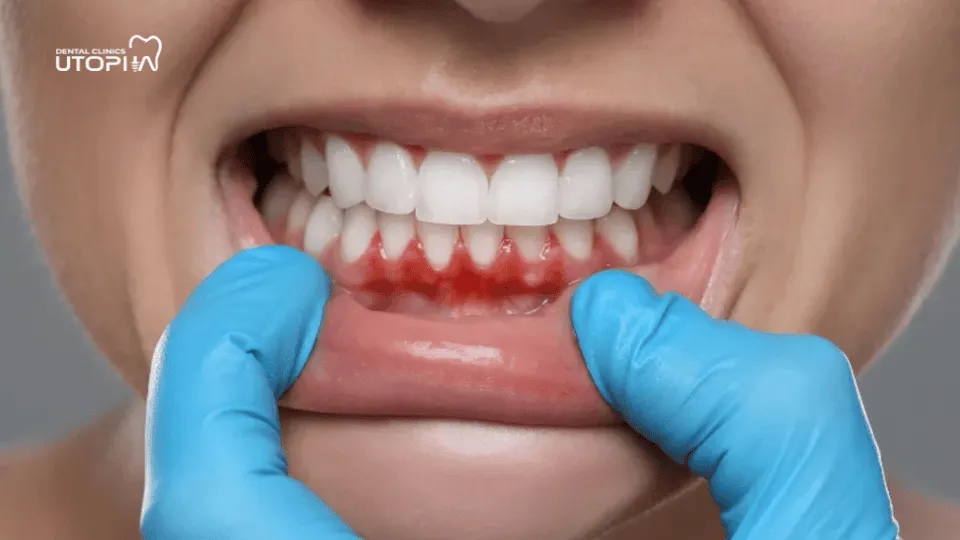
- Gum bleeding, especially during brushing or flossing, indicates the presence of gum inflammation.
- Receding gums and teeth appearing longer, as the gums pull back, making the teeth look longer than normal
- Redness or swelling of the gums, indicating inflammation that may be a main cause of recession
- Unpleasant breath due to the buildup of bacteria in the affected areas.
In some cases, gum recession may appear noticeably between the teeth, which is known as gum recession between teeth. This affects the aesthetic appearance and increases the likelihood of food debris accumulation, and it requires early intervention to avoid complications.
Read Also: How Long Does It Take To Treat Gingivitis
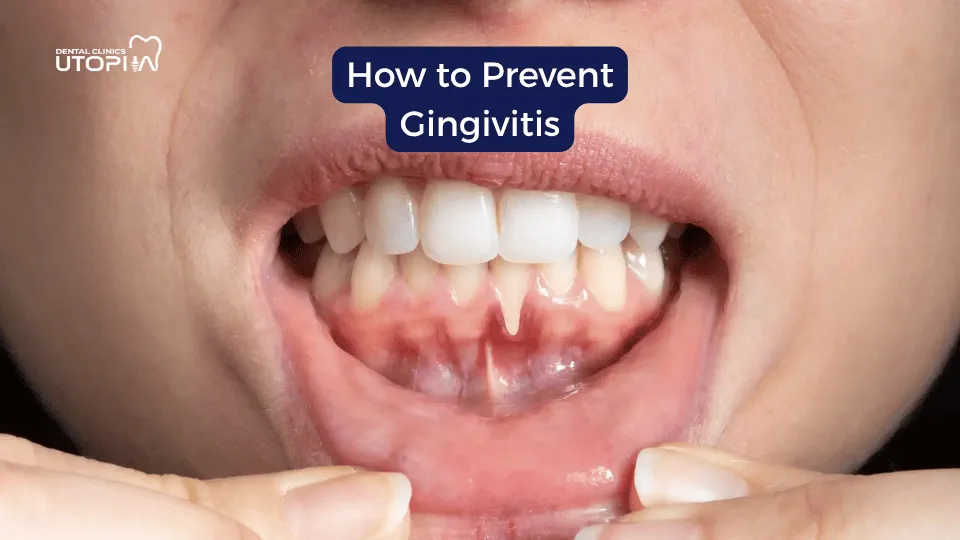
How to Prevent Gingivitis
Preventing gingivitis is the most important step to maintaining oral health and avoiding complications. The risk can be reduced by following some simple daily habits:
- Using a soft toothbrush and brushing gently to avoid damaging gum tissues
- Brushing teeth twice daily with a suitable toothpaste
- Using dental floss to remove food debris and bacteria between teeth
- Avoiding aggressive brushing or excessive pressure on the teeth
- Quitting smoking due to its negative impact on gum health
- Using a suitable medical mouthwash to maintain oral hygiene
- Visiting the dentist regularly for check-ups and cleaning
Following these steps not only helps prevent gum recession but also contributes to maintaining a healthy smile and a better aesthetic appearance in the long term.
When Should You Visit the Dentist?
If you notice any of these symptoms, especially sensitivity or persistent bleeding, it is best to visit a dentist as soon as possible. Early intervention greatly helps in treating the problem easily and maintaining the health of your gums and teeth.
At Utopia Dental Clinic, we provide you with a precise examination and early diagnosis using the latest technologies, along with a personalized treatment plan that suits your condition. Our goal is to maintain your gum health and restore your smile with the best possible results.
Conclusion
Understanding the causes of gingivitis and its treatment is not just knowledge, but an essential step to protect your dental health and maintain your smile in the long term. Gum recession may start as a simple issue, but it can develop into bigger problems if ignored.
The earlier the condition is detected, the easier and more effective the treatment will be, with better results and without complications. Therefore, do not wait for pain to appear; start taking care of your oral hygiene daily, follow proper brushing habits, and make sure to visit the dentist regularly.
Remember that prevention is always easier and less costly than treatment, and that your healthy smile starts with simple steps you take every day.
Frequently Asked Questions
1. Is Gum Recession Dangerous?
Yes, it can be serious if left untreated. It may lead to tooth sensitivity, exposure and wear of tooth roots, and in advanced cases, tooth loss.
2. Does Gum Recession Differ Depending on its Location?
Yes, it can occur in the upper or lower jaw, and it is often more noticeable in the front teeth, which can directly affect the appearance of your smile.
3. Can Gum Recession be Treated Permanently?
In most cases, gum recession can be treated and managed, especially when detected early. However, the gums may not fully return to their original position in all cases.
4. Does Tartar Removal Treat Gum Recession?
Tartar removal helps eliminate bacteria that cause the problem and can stop the condition from worsening, but it does not restore lost gum tissue.
5. Does Gum Recession Require Surgery?
Not always. Mild cases can be treated with non-surgical methods, while more advanced cases may require surgical procedures such as gum grafting.
6. Does Gum Recession Cause Pain?
In early stages, it may not cause noticeable pain, but it often leads to tooth sensitivity, especially when consuming hot or cold foods and drinks.
7. Can Gums Return to Normal After Recession?
In most cases, gums do not fully grow back to their original position. However, proper treatment can prevent further recession and improve the condition through procedures such as deep cleaning or gum surgery.