Many people ask, “Does dental cleaning damage teeth?” especially after noticing temporary sensitivity or small gaps between their teeth following a cleaning appointment. These changes often lead to common misconceptions about dental cleaning, even though it is one of the most important procedures for maintaining healthy teeth and gums. Understanding why tartar builds up, what happens during a cleaning, and how your teeth may feel afterward can help you separate fact from fiction and make informed decisions about your oral health.
Causes of Tartar Buildup on Teeth
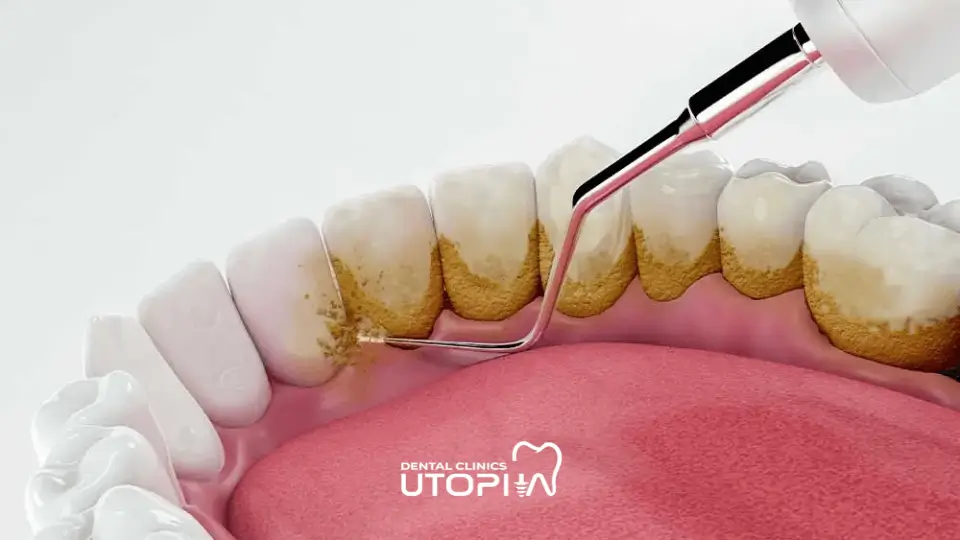
Tartar forms when the bacterial plaque that naturally accumulates on the teeth hardens over time. When plaque is not regularly removed through brushing and flossing, it reacts with minerals in the saliva and turns into hardened deposits known as dental tartar.
Some of the most common causes of tartar buildup include:
- Not brushing teeth regularly
- Neglecting daily flossing
- Smoking and using tobacco products
- Consuming large amounts of sugary and starchy foods
- Dry mouth and reduced saliva production
- Skipping routine professional dental cleanings
Over time, tartar accumulation may lead to gum inflammation, bad breath, and an increased risk of advanced gum disease.
Why Do Some People Think Dental Cleaning Damages Teeth?
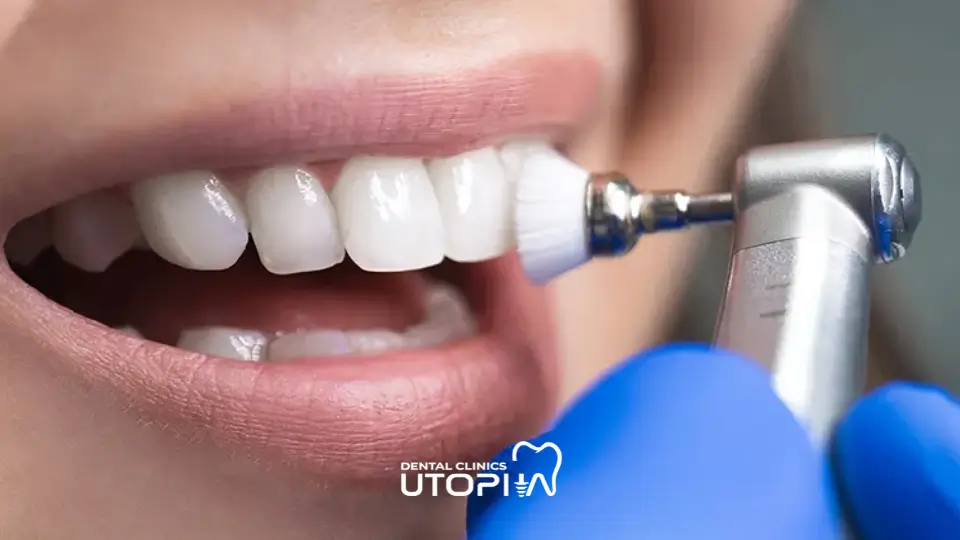
This belief is often linked to certain sensations patients experience after a dental scaling and polishing appointment, most commonly tooth sensitivity or the feeling that spaces have appeared between the teeth.
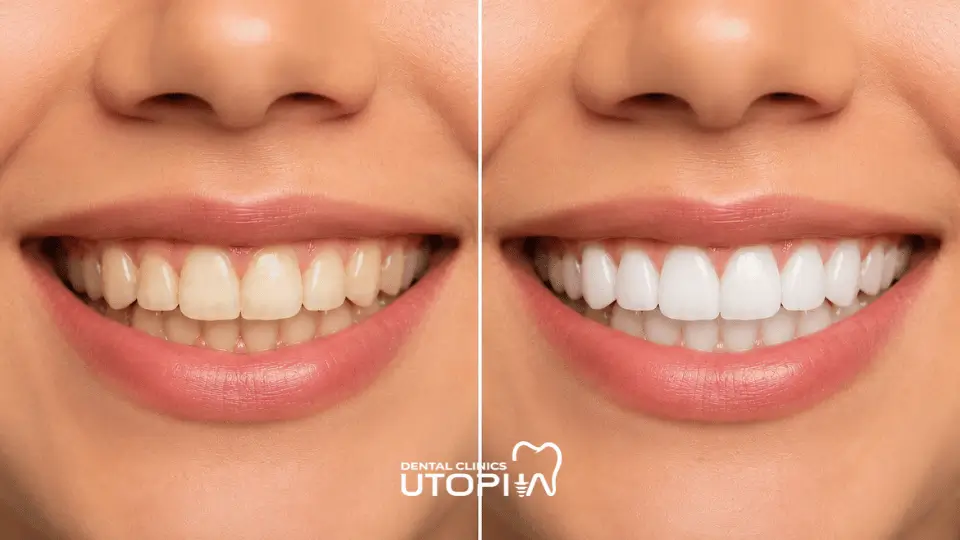
In many cases, tartar has been building up for years and covers parts of the teeth or even the tooth roots. Once the tartar is removed, the natural spaces that were previously hidden become visible. As a result, some patients mistakenly assume that the cleaning procedure created these gaps when they were already there.
Some people may also experience temporary sensitivity to hot or cold foods and beverages after cleaning. This is a normal response that occurs because the tartar layer that had been covering sensitive areas of the teeth has been removed.
Therefore, temporary sensitivity does not mean the teeth have become weaker. Instead, it often indicates that the teeth are returning to their natural state.
Does Dental Cleaning Damage Teeth or Protect Them?
The clear scientific answer to the question “Does dental cleaning damage teeth?” is no. Dental cleaning does not damage teeth; it actually helps protect them.
The purpose of tartar removal is to eliminate the deposits and bacteria that attack the gums and the supporting structures around the teeth. When tartar is left untreated for long periods, it can lead to:
- Chronic gum inflammation
- Bleeding gums
- Gum recession
- Persistent bad breath
- Loose teeth
- Periodontal disease
For this reason, professional dental cleaning is considered a preventive procedure that helps preserve the health of both the teeth and gums rather than harming them.
Read Also: What To Do After a Dental Cleaning
Benefits of Dental Cleaning for Teeth and Gums
Dental cleaning does more than improve the appearance of your smile. It offers numerous health benefits for both the teeth and gums, including:
- Maintaining healthy gums
- Preventing gum disease
- Improving bad breath
- Reducing the risk of tooth decay
- Enhancing the appearance of the smile
Is Dental Cleaning Painful?
Many people ask before their appointment: Is dental cleaning painful?
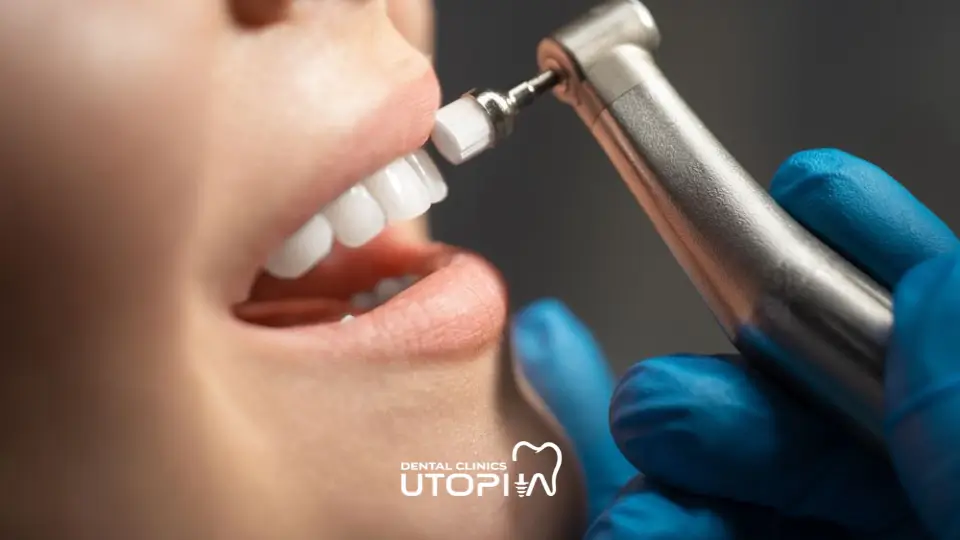
In most cases, dental cleaning is a simple and painless procedure, especially when modern ultrasonic cleaning devices are used.
Some patients may experience mild discomfort or temporary sensitivity during or after the procedure, particularly if there is significant tartar buildup or existing gum inflammation. However, these sensations typically fade within a short period.
For sensitive patients, a dentist may use local anesthesia to provide additional comfort.
Does Dental Cleaning Cause Gaps Between Teeth?
This is one of the most frequently asked questions after a tartar removal appointment.
The truth is that dental cleaning does not create new gaps between the teeth. Instead, it may reveal spaces that were already present but hidden beneath tartar deposits.
When tartar accumulates between the teeth and around the gums, it can make the teeth appear closer together than they actually are. Once the tartar is removed, the natural spacing becomes more noticeable.
Additionally, gum recession caused by long-term inflammation may become more visible after cleaning. This often leads patients to believe the procedure caused the issue when it simply exposed an existing condition.
What Happens to Teeth After Dental Cleaning?
After a dental cleaning session, patients may notice several normal changes, including:
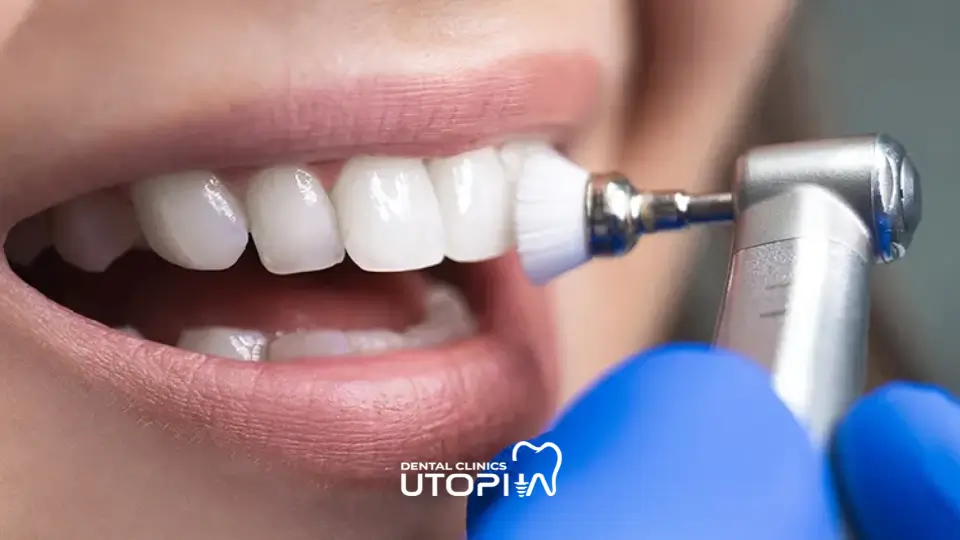
- A cleaner and smoother feeling on the teeth
- Fresher breath
- Gradual reduction in gum bleeding
- Temporary sensitivity to hot or cold beverages
- A clearer appearance of the teeth after tartar deposits are removed
In most cases, sensitivity disappears within a few days by following the dentist’s recommendations and using toothpaste formulated for sensitive teeth when needed.
How Much Does Dental Cleaning Cost in Egypt?
The cost of dental cleaning varies depending on several factors, including:
- The amount of tartar buildup
- Whether cleaning is performed above or below the gum line
- The experience of the dentist and the dental clinic
- The technology and equipment used
- The need for additional sessions or deep cleaning procedures
For this reason, there is no fixed price suitable for every patient. The exact cost is determined after a clinical examination and evaluation of the individual’s condition.
Best Dental Clinic for Tartar Removal
Choosing the right dental clinic can make a big difference in your experience and results. While tartar removal is a routine procedure, it is important to have it performed by experienced dental professionals using modern techniques and equipment.
At Utopia Dental Clinic, we focus on providing comfortable, effective dental cleaning and tartar removal treatments tailored to each patient’s needs. Our team carefully examines your teeth and gums, removes tartar safely, and offers personalized advice to help keep your smile healthy and prevent future buildup.
Whether you need a routine cleaning or treatment for significant tartar accumulation, Utopia Dental Clinic is committed to helping you achieve cleaner teeth, healthier gums, and greater confidence in your smile.
Conclusion
In conclusion, the answer to the question “Does dental cleaning damage teeth?” is clear. Dental cleaning does not weaken or damage teeth. Instead, it helps protect them from inflammation and the complications associated with bacterial buildup that can affect the gums and tooth stability over time. While some patients may experience temporary sensitivity or notice the natural appearance of their teeth after tartar removal, these changes are normal and should not be interpreted as signs of weakened teeth. Regular professional dental cleanings, combined with proper daily oral hygiene, remain essential for maintaining a healthy smile for years to come.
FAQs About Dental Cleaning and Teeth
1. Does Dental Cleaning Cause Loose Teeth?
No. Dental cleaning does not cause loose teeth. In fact, it helps prevent gum disease, which can eventually lead to tooth mobility and tooth loss if left untreated.
2. How Long Does Tooth Sensitivity Last After Dental Cleaning?
Sensitivity typically lasts anywhere from a few hours to several days, depending on the amount of tartar removed and the condition of the teeth and gums.
3. Can Tartar Return After Cleaning?
Yes. Tartar can build up again if you do not maintain proper oral hygiene, including regular brushing, flossing, and routine dental checkups.
4. How Often Should Teeth Be Professionally Cleaned?
Most dentists recommend professional dental cleaning approximately every six months, although the frequency may vary depending on individual oral health needs.
5. Does Dental Cleaning Damage Tooth Enamel?
No. When performed correctly by a dental professional, dental cleaning does not damage or weaken tooth enamel.