If you’re wondering what to do after a dental cleaning, following the right aftercare instructions can help reduce sensitivity, protect your gums, and maintain the results of your professional cleaning for longer. After a dental cleaning procedure, your teeth may feel smoother and cleaner, while mild sensitivity or slight gum discomfort can occur during the first few days. These temporary effects are common, and proper care can help ensure a comfortable recovery and long-lasting oral health benefits.
What To Do After a Dental Cleaning
Understanding what to do after a dental cleaning can make a significant difference in how quickly your mouth recovers and how long the results last.
The following recommendations can help keep your teeth and gums healthy after tartar removal:
1. Avoid Extremely Hot or Cold Foods and Drinks
It is common for teeth to become more sensitive during the hours or days following tartar removal, especially if there was a significant amount of tartar buildup or if the gums were inflamed before treatment. This happens because areas of the teeth that were previously covered by tartar become exposed and may react more strongly to temperature changes.
For this reason, it is best to avoid very hot drinks such as coffee and tea, as well as very cold beverages and ice cream, during the first day after treatment. Carbonated drinks and spicy foods should also be avoided temporarily, as they may increase tooth sensitivity or irritate the gums.
If your gums feel sensitive after the cleaning, it is advisable to postpone eating hard foods, such as nuts or other foods that require strong chewing, until the discomfort subsides.
2. Avoid Staining Foods and Drinks for 24 Hours
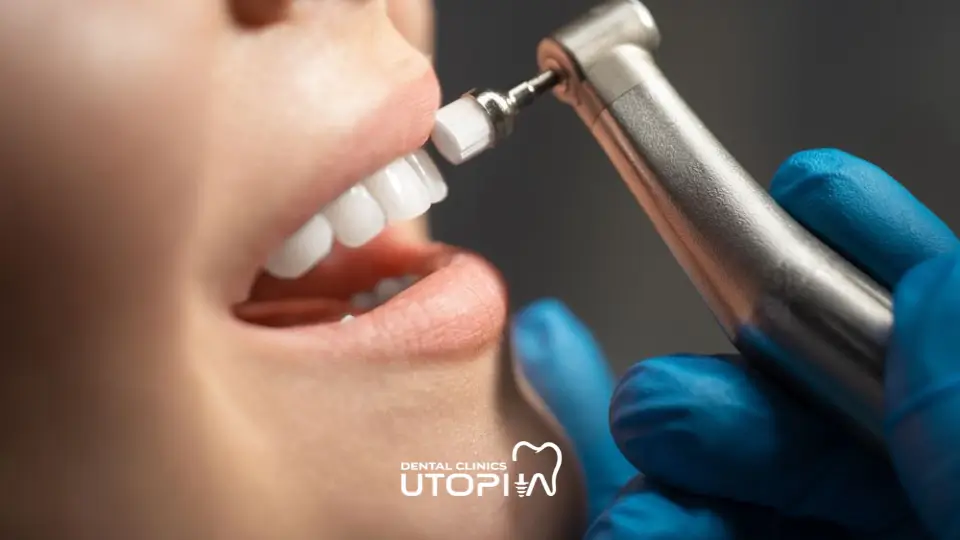
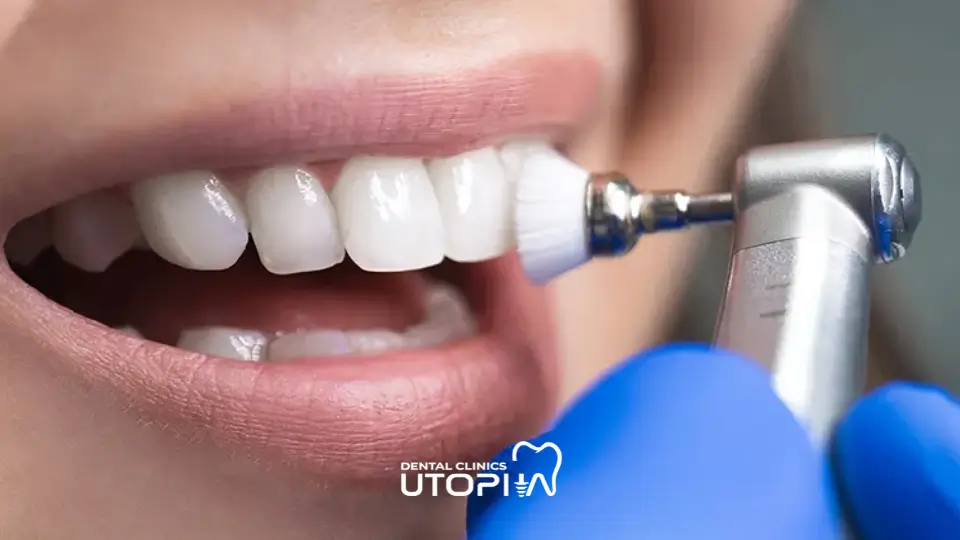
After scaling and polishing, the tooth surfaces are cleaner and free from surface deposits. To help preserve their fresh appearance, it is recommended to limit the consumption of strongly colored foods and beverages during the first 24 hours.
These include coffee, tea, dark-colored soft drinks, and brightly colored juices. It is also advisable to reduce foods and sauces rich in pigments, such as soy sauce and heavily colored spices.
Although these foods do not directly harm the teeth after tartar removal, avoiding them temporarily can help reduce the risk of early staining.
Foods and Drinks Allowed After Tartar Removal
During the first few hours after treatment, it is best to choose soft, easy-to-chew foods to minimize any discomfort, such as:
- Yogurt
- Warm soup
- Mashed potatoes
- Eggs
- Bananas and other soft fruits
- Oatmeal
- Well-cooked rice
As for beverages, water is the best choice for keeping the mouth clean and hydrated. Milk and non-acidic drinks served at a moderate temperature are also suitable.
3. Brush Your Teeth Twice Daily with a Soft-Bristled Toothbrush
Many people assume that professional tartar removal is enough to keep their teeth clean for an extended period. However, dental plaque begins forming again within hours after cleaning. If it is not removed regularly through proper oral hygiene, it can gradually harden and turn into new tartar deposits.
For this reason, brushing twice daily with a soft-bristle toothbrush and fluoride toothpaste is highly recommended. Spend at least two minutes brushing each time and make sure to clean all tooth surfaces thoroughly.
4. Floss Daily
Even the best toothbrush cannot fully clean the tight spaces between teeth, where food particles and bacteria tend to accumulate.
Using dental floss at least once a day helps clean these hard-to-reach areas, reducing the risk of tartar buildup, gum disease, and cavities between the teeth.
Dental floss should be considered an essential part of your daily oral hygiene routine, especially for individuals who are prone to tartar accumulation.
5. Drink Plenty of Water
This advice may seem simple, but it is one of the most effective habits for maintaining oral health after teeth cleaning. Water helps wash away food particles, reduces bacterial buildup, and supports saliva production.
Saliva acts as the mouth’s natural defense system by continuously cleansing the teeth and neutralizing acids produced by food and beverages, helping to reduce the risk of tooth decay and gum irritation.
6. Avoid Smoking
Smoking is one of the most harmful habits for oral health. It contributes to tooth discoloration, increases plaque and tartar buildup, and negatively affects gum health.
After teeth cleaning, it is best to avoid smoking, particularly during the first few hours after treatment. Doing so helps the gums recover and preserves the aesthetic results achieved during the cleaning procedure.
7. Use Toothpaste for Sensitive Teeth When Needed
Some people experience temporary sensitivity to cold foods and drinks after tartar removal, especially if tartar deposits previously covered parts of the tooth roots.
In these cases, toothpaste designed for sensitive teeth can help reduce discomfort by calming the nerves inside the teeth and decreasing their response to external stimuli.
If sensitivity persists for an extended period or becomes severe, consult your dentist for evaluation.
8. Keep Up with Regular Dental Visits
Most dentists recommend a professional dental cleaning and examination approximately every six months, although the recommended interval may vary depending on your oral health and the rate at which tartar accumulates.
Regular dental visits help maintain clean teeth and allow potential oral health issues to be detected and treated early.
Want to Keep Your Teeth Cleaning Results Longer?
Regular professional teeth cleanings and routine dental checkups help reduce tartar buildup and maintain healthy teeth and gums. If you experience frequent tartar accumulation or bleeding gums, it may be time for a comprehensive oral health evaluation.
• Professional Teeth Cleaning • Gum Health Assessment • Personalized Preventive Care
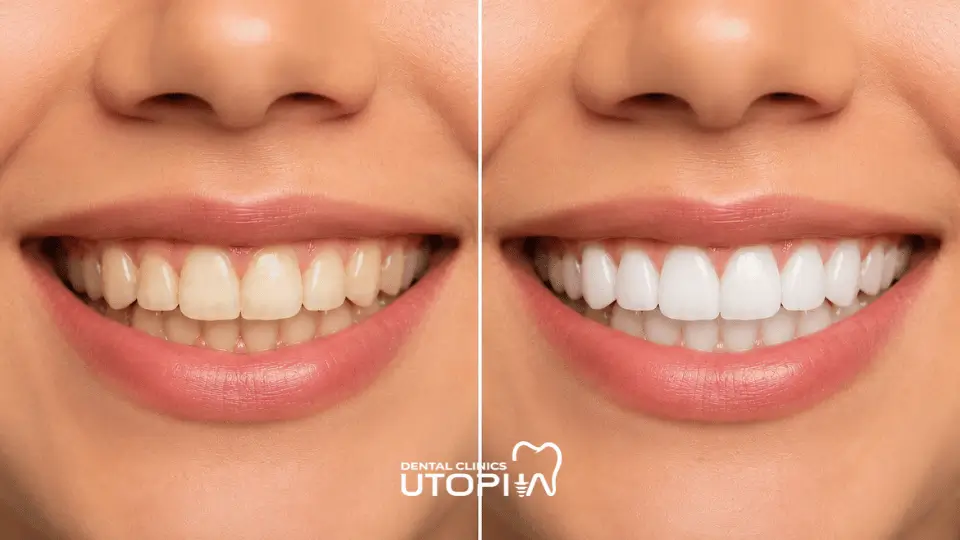
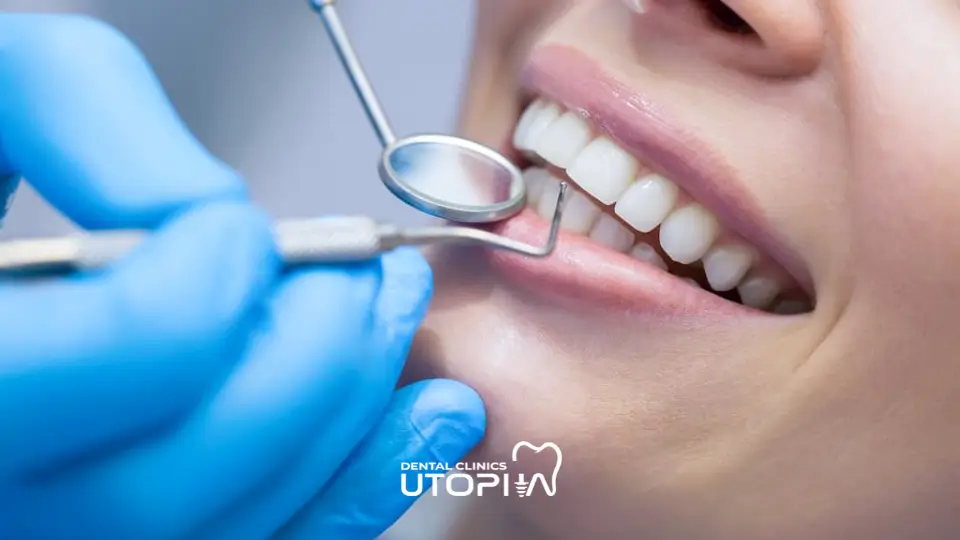
What Do Teeth Look Like After Tartar Removal?
Signs You Should Contact Your Dentist
Although knowing what to do after a dental cleaning usually supports a smooth recovery, you should contact your dentist if you experience:
- Persistent pain or sensitivity
- Continuous or heavy gum bleeding
- Swollen gums or signs of infection
- Difficulty chewing or increasing discomfort
- Pus or other signs of gum infection
Early intervention can help prevent complications and protect your oral health.
Conclusion
Knowing what to do after a dental cleaning is just as important as the cleaning procedure itself. Good daily oral hygiene, avoiding harmful habits, and attending regular dental checkups can help maintain your results, reduce the risk of tartar buildup, and support long-term oral health.
FAQs About What To Do After A Dental Cleaning
1. When Can I Eat After Teeth Cleaning?
In most cases, you can eat immediately after the procedure. However, it is best to choose soft foods and avoid extremely hot or cold items during the first few hours, especially if your teeth or gums are sensitive.
2. Does Teeth Cleaning Cause Gum Bleeding?
Mild and temporary gum bleeding may occur after the procedure, particularly if the gums were inflamed beforehand. If bleeding continues or becomes severe, you should contact your dentist.
3. How Long Does Tooth Sensitivity Last After Tartar Removal?
The duration varies from person to person, but sensitivity usually lasts from a few hours to several days. If it persists or becomes severe, consult your dentist.
4. Can Tartar Return After Teeth Cleaning?
Yes. Tartar can build up again if proper oral hygiene is neglected. Regular brushing, flossing, and dental checkups are essential for maintaining the results.
5. How Often Should Teeth Be Professionally Cleaned?
Most dentists recommend professional teeth cleaning every six months, although the frequency may vary depending on your individual oral health needs.
6. Do Teeth Become Weaker After Tartar Removal?
No. Tartar removal does not weaken the teeth. On the contrary, it improves oral health by eliminating harmful deposits that can contribute to gum disease and other dental problems if left untreated.