Cosmetic dental treatments have become increasingly popular for enhancing the appearance of the smile and boosting self-confidence, with both teeth whitening and teeth polishing among the most requested procedures in dental clinics. While both treatments improve the look of the teeth, there are important differences between teeth whitening vs polishing in terms of color improvement, treatment results, and how long the results last. Understanding these differences can help you choose the most suitable option for achieving a brighter, healthier-looking smile.
What Is Teeth Whitening?
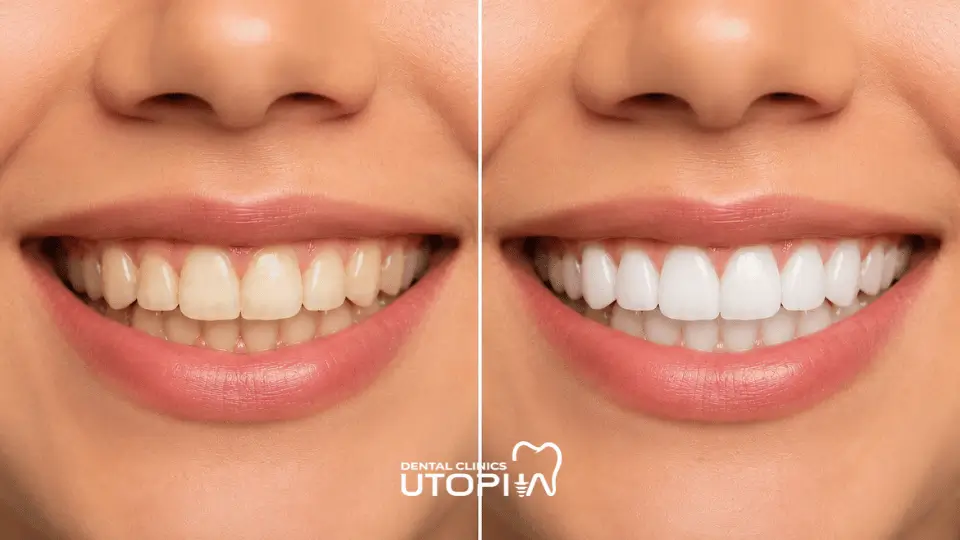
Teeth whitening is a cosmetic dental procedure designed to lighten the color of the teeth and remove stains and discoloration caused over time by coffee, tea, dark-colored drinks, smoking, and other factors.
Professional teeth whitening usually relies on specialized whitening agents that help break down deep stains within the tooth structure, giving the teeth a brighter, whiter appearance.
Some studies suggest that professional teeth whitening sessions may help brighten teeth by approximately 2 to 8 shades, depending on the severity of discoloration and the type of treatment used.
What Is Teeth Polishing?
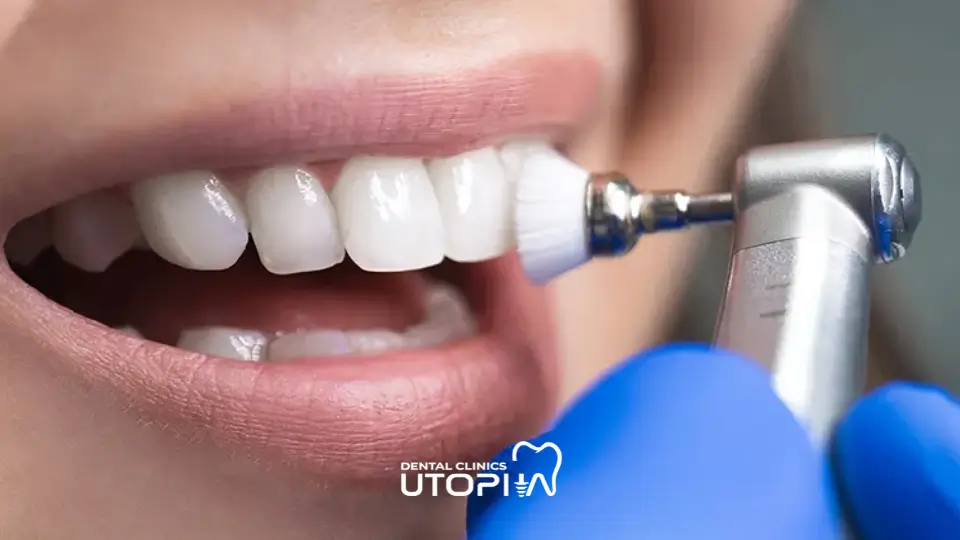
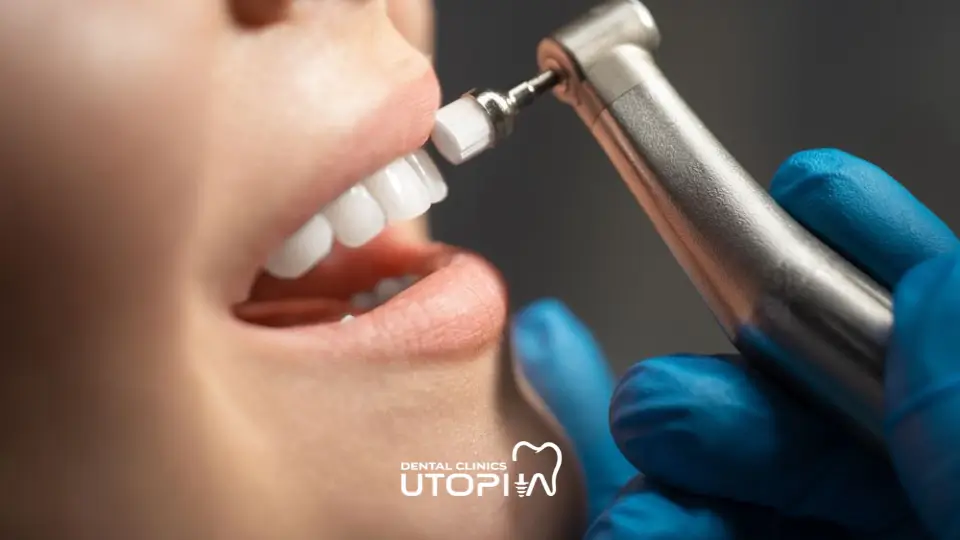
Teeth polishing is a procedure designed to clean the tooth surface and remove surface stains, plaque, and mild tartar buildup while giving the teeth a smoother and shinier appearance.
Polishing is commonly performed after professional teeth cleaning sessions to help maintain the appearance of the teeth and reduce bacteria and stain accumulation.
Teeth polishing may help:
- Improve the appearance of teeth
- Remove minor surface stains
- Reduce plaque and tartar buildup
- Give teeth a shinier look
- Improve breath freshness
However, it is important to understand that polishing does not significantly change the natural tooth color like whitening does.
Teeth Whitening vs Polishing (5 Differences)
Although both teeth whitening and teeth polishing improve smile appearance, there are clear differences between them in terms of purpose, results, and treatment method. Let’s take a closer look at the most important differences.

1. Teeth Whitening vs Polishing in Terms of Purpose
The main goal of teeth whitening is:
- Lightening the color of the teeth
- Removing deep stains and discoloration
- Creating a noticeably brighter smile
On the other hand, teeth polishing aims to:
- Clean the tooth surface
- Remove external stains
- Give the teeth a smoother and shinier appearance
In other words, whitening focuses on changing tooth color, while polishing focuses on cleaning and improving the outer appearance of the teeth.
2. Teeth Whitening vs Polishing in Terms of Results
Teeth whitening results are usually more noticeable, as patients often see a clear improvement in tooth shade after treatment.
Teeth polishing results are generally milder, providing cleaner and shinier-looking teeth without dramatically changing their natural color.
In some cases, teeth may appear slightly brighter after polishing because surface stains are removed, but polishing is not considered a replacement for actual whitening treatment.
3. Teeth Whitening vs Polishing in Terms of Session Duration
The duration of the session depends on the type of procedure and the techniques used at the clinic.
Typically:
- Teeth polishing takes approximately 20 to 40 minutes
- Teeth whitening takes approximately 45 to 90 minutes
Some whitening cases may require multiple sessions to achieve the desired results.
4. Teeth Whitening vs Polishing in Terms of How Long Results Last
The longevity of results depends on oral care habits and lifestyle factors.
Teeth Whitening Results
Results may last:
- Several months to several years
Depending on:
- The whitening method used
- Smoking habits
- Consumption of dark-colored beverages
- Oral hygiene routine
- Teeth Polishing Results
Polishing results usually last for a shorter period because surface stains can return over time due to food and drinks.
For this reason, regular cleaning and polishing sessions are often recommended to maintain the appearance of the teeth.
5. Teeth Whitening vs Polishing in Terms of Materials Used
Teeth whitening commonly uses active bleaching agents such as:
- Hydrogen Peroxide
- Carbamide Peroxide
Teeth polishing typically uses:
- Special polishing pastes
- Gentle cleaning materials
- Surface stain removal techniques
Therefore, whitening is considered a cosmetic treatment designed to change tooth color, while polishing is mainly a cleaning procedure that improves the outer appearance of the teeth.

Can Teeth Whitening and Polishing Be Done Together?
Yes. In many cases, dentists prefer performing teeth scaling and polishing before whitening sessions because removing tartar and surface stains helps:
- Improve whitening results
- Allow better distribution of whitening materials
- Achieve a more even tooth color
That is why many dentists begin with cleaning and polishing before moving on to whitening treatment for the best possible results.
However, the final decision depends on the condition of the teeth and gums and whether any dental issues should be treated before cosmetic procedures.
Best Clinic For Teeth Whitening and Teeth Polishing
The success of cosmetic dental procedures depends greatly on the dentist’s experience and the technologies used in the clinic.
Utopia Dental Clinic is one of the clinics focused on providing advanced teeth whitening and polishing technologies using modern devices and materials that help achieve natural-looking and safe results while maintaining healthy teeth and gums.
The clinic also offers customized treatment plans for every patient, helping individuals choose the most suitable procedure for a brighter and more confident smile.
FAQs About Teeth Whitening and Teeth Polishing
1. Does Teeth Polishing Whiten Teeth?
Teeth polishing does not significantly change the natural tooth color, but it helps remove surface stains and gives the teeth a cleaner and shinier appearance.
2. Which Is Better: Teeth Whitening or Teeth Polishing?
This depends on the condition of the teeth and the desired result. If the goal is to noticeably brighten tooth color, whitening may be the better option. If the goal is cleaning and improving shine, polishing may be sufficient.
3. Is Teeth Whitening Safe?
Yes. Teeth whitening is generally considered safe when performed under the supervision of a dentist using suitable materials.
4. How Long Do Teeth Whitening Results Last?
Results may last from several months to several years depending on oral care habits and lifestyle factors such as smoking and drinking dark-colored beverages.
5. Can Teeth Whitening Be Done If Tartar Is Present?
Dentists usually recommend removing tartar and cleaning the teeth before whitening to achieve more even and effective results.
6. Does Teeth Whitening Cause Sensitivity?
Some people may experience temporary sensitivity after whitening treatment, but it usually disappears within a short period.
7. Can You Drink Coffee After Teeth Whitening?
It is generally recommended to avoid coffee and dark-colored beverages for 24 to 48 hours after whitening to help maintain results and reduce the chance of new stains.
8. Does Teeth Polishing Damage Tooth Enamel?
When performed correctly under a dentist’s supervision, teeth polishing does not damage enamel and can help improve oral cleanliness and appearance.
9. How Often Can Teeth Polishing Be Done?
Teeth polishing and professional cleaning are usually recommended every 6 months, depending on the condition of the teeth and the dentist’s recommendation.
10. Are Teeth Whitening Results Permanent?
Teeth whitening results are not completely permanent because they can gradually be affected by lifestyle habits such as smoking and consuming staining foods and drinks. However, good oral care can help maintain results for a longer time.