Teeth protrusion and jaw protrusion are among the most common orthodontic concerns. In many cases, these conditions are categorized medically as skeletal vs dental malocclusion, depending on whether the problem originates from the jaw structure or the position of the teeth. That’s why understanding the difference between them is essential for selecting the most effective treatment plan.
What Is Dental Malocclusion?
Dental malocclusion happens when the front teeth, especially the upper teeth, stick out more than normal, making them more noticeable when smiling or closing the mouth.
In mild cases, it may only affect appearance. However, severe cases can cause problems with chewing or speaking and may increase the risk of tooth damage because the teeth are more exposed. This condition is usually related to the position and alignment of the teeth rather than the jaw bones themselves.
What Is Skeletal Malocclusion?
Skeletal malocclusion is a condition related to the jaw bones. It happens when the upper or lower jaw is too far forward or backward compared to the other jaw or the natural shape of the face.
Unlike dental malocclusion, this condition affects not only the teeth but also facial balance and oral function. It may cause bite problems, difficulty chewing or speaking, and sometimes breathing issues, depending on the severity of the case.
Skeletal vs Dental Malocclusion (Differences in Appearance)
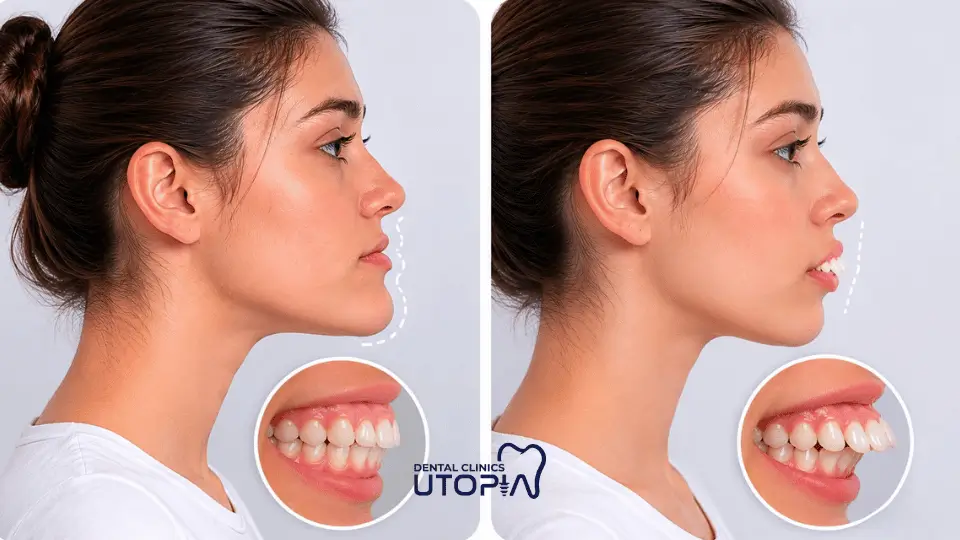
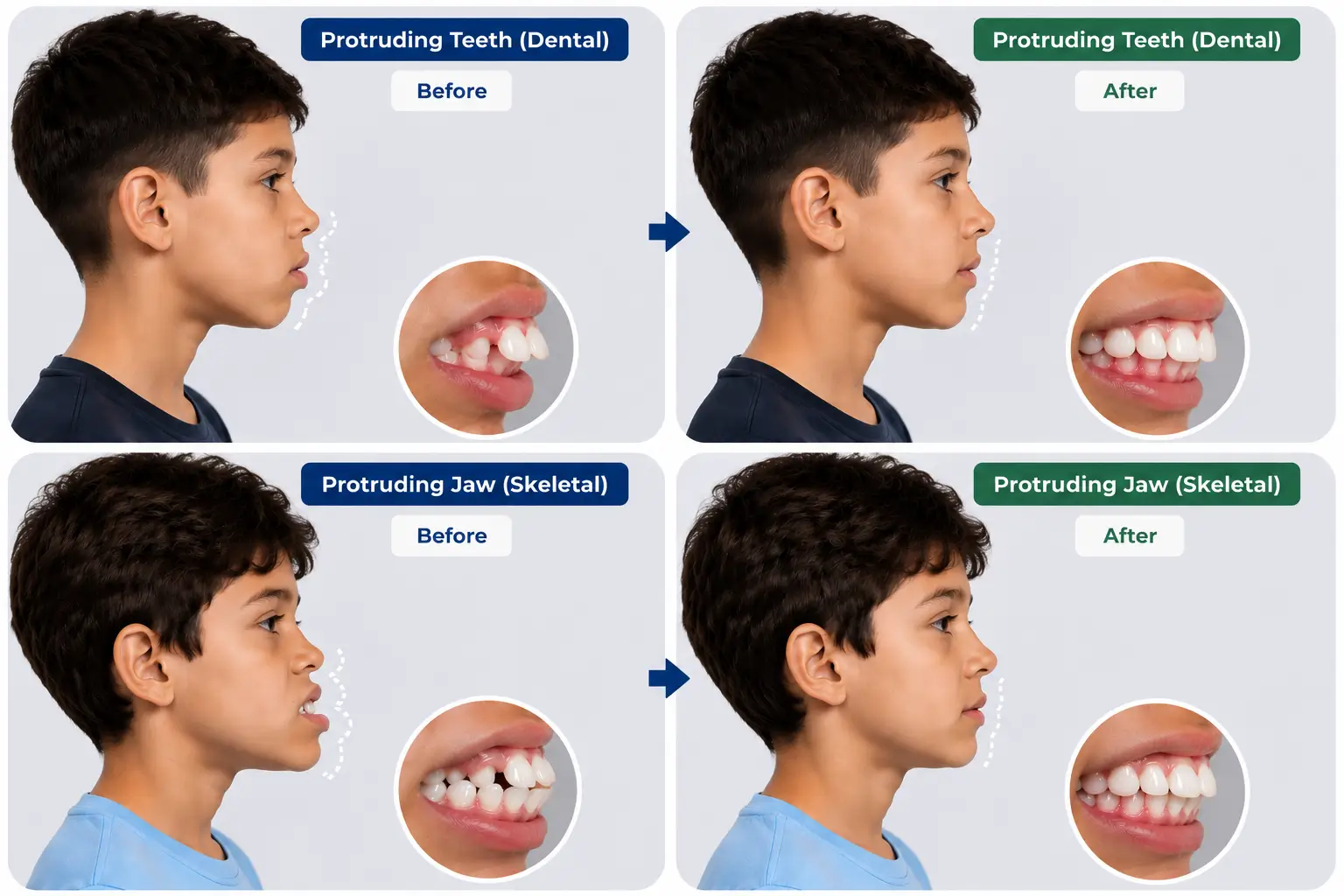
The external appearance is one of the clearest ways to understand skeletal vs dental malocclusion.
Dental Malocclusion
- The front teeth appear noticeably protruded, especially the upper teeth
- Difficulty closing the lips naturally or comfortably
- Jaw shape and facial features often remain normal
- The change is mainly noticeable in the smile and tooth alignment
Skeletal Malocclusion
- Noticeable changes in facial features and chin appearance
- The upper or lower jaw may appear significantly protruded
- The condition affects the overall facial profile balance
- There may be an imbalance between the upper and lower jaws
In simpler terms, dental malocclusion mainly affects the smile and tooth position, while skeletal malocclusion can significantly alter overall facial harmony and structure.
Skeletal vs Dental Malocclusion in Terms of Causes
To better understand skeletal vs dental malocclusion, it is important to recognize the causes behind each condition, as one is mainly related to tooth alignment while the other involves jawbone growth and structure.
Causes of Dental Malocclusion
Dental malocclusion is often caused by factors affecting tooth alignment and eruption direction, including:
- Genetic factors
- Thumb sucking during childhood
- Repeated tongue thrusting against the teeth
- Long-term mouth breathing
- Missing teeth or a lack of jaw space
In most cases, the issue is related to tooth position and alignment rather than the jaw bones themselves.
Causes of Skeletal Malocclusion
Skeletal malocclusion is usually linked to more complex structural factors involving jaw and facial bone development, including:
- Genetics and facial bone growth patterns
- Jaw growth disorders during childhood and adolescence
- Jaw injuries or congenital deformities
- Uneven growth between the upper and lower jaws
For this reason, skeletal malocclusion is considered a structural problem involving jawbone harmony rather than just tooth alignment.
Skeletal vs Dental Malocclusion in Terms of Symptoms
Some symptoms may overlap between the two conditions, but there are important differences.
Symptoms of Dental Malocclusion
- Mild difficulty closing the mouth
- Protruding front teeth when smiling
- Increased risk of tooth injury
- Cosmetic concerns affecting self-confidence
Symptoms of Skeletal Malocclusion
- Misalignment between the upper and lower jaws
- Difficulty chewing or biting
- Speech difficulties in some cases
- Jaw joint pain
- Noticeable facial asymmetry or imbalance
The more functional symptoms present, the more likely the issue is related to the jaw rather than just the teeth.
How Are Skeletal and Dental Malocclusions Diagnosed?
Accurate diagnosis depends on a comprehensive examination performed by a dentist or orthodontic specialist.
Diagnosis usually includes:
- Clinical examination of the teeth and jaws
- Bite evaluation and jaw relationship analysis
- X-rays and lateral cephalometric imaging
- Digital imaging and facial/smile analysis
These steps help determine whether the problem lies in the teeth, jaw bones, or both.
Skeletal vs Dental Malocclusion in Terms of Treatment
Treatment for Dental Malocclusion
Treatment depends on the severity of the condition and the patient’s age. Options may include:
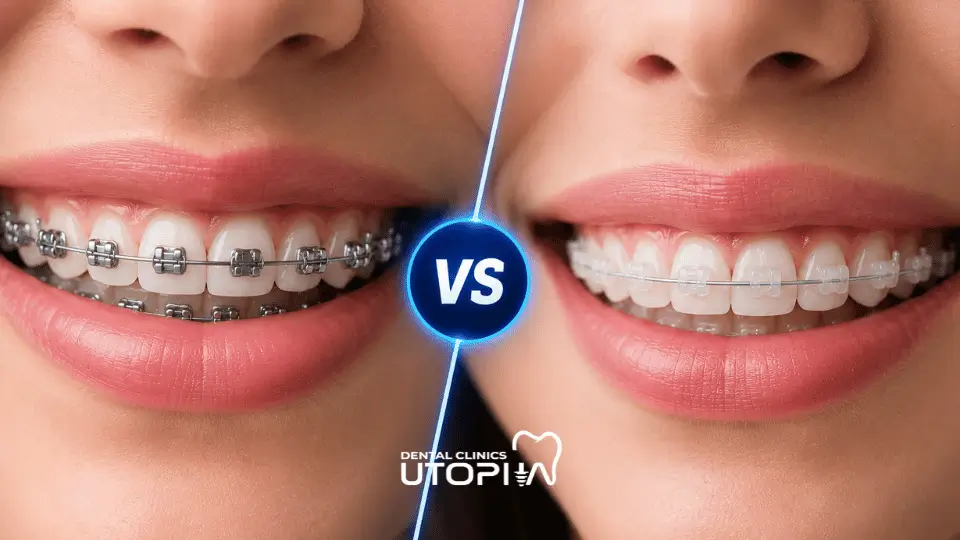
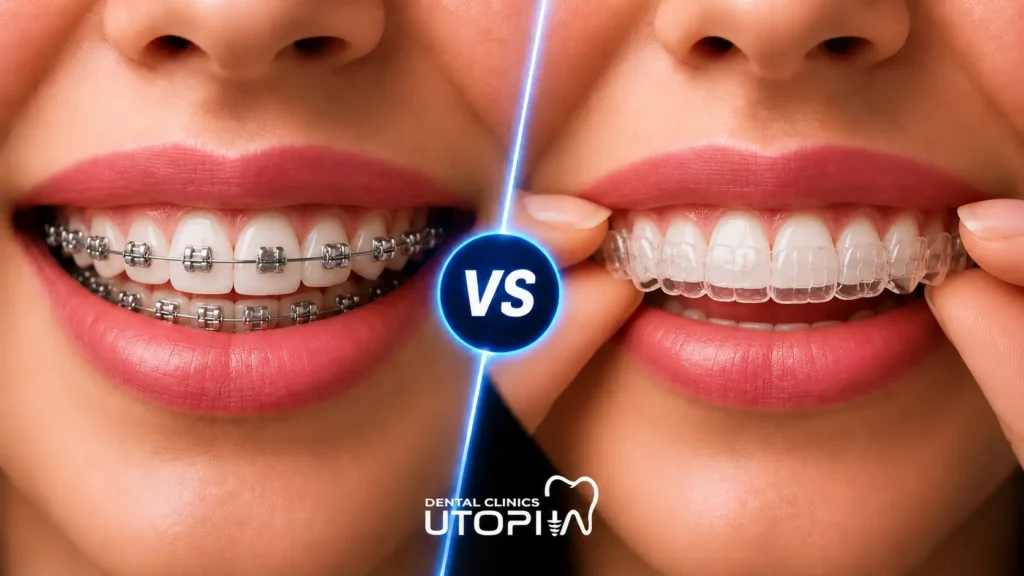
- Traditional braces
- Clear aligners
- Tooth extraction in some cases
Treatment for Skeletal Malocclusion
Treatment depends on the severity and underlying cause of the condition and may include:
- Orthodontics
- Jaw growth modification appliances
- Orthognathic jaw surgery
Difference in Treatment Duration
Treatment duration differs significantly between the two conditions.
Duration of Dental Malocclusion Treatment
In most cases, treatment takes between 12 and 24 months, depending on factors such as:
- Severity of crowding or protrusion
- Type of orthodontic appliance used
- Tooth response to treatment
- Patient compliance with instructions
Duration of Skeletal Malocclusion Treatment
Treatment may take longer, especially if orthodontics is required before and after surgery.
For this reason, skeletal malocclusion treatment usually requires a comprehensive treatment plan involving accurate diagnosis and continuous follow-up to achieve the best long-term results.
How to Choose the Right Treatment
Choosing the right treatment starts with proper diagnosis.
It is recommended to:
- Avoid relying on online photos or comparisons
- Visit an orthodontist or jaw surgery specialist when needed
- Discuss all available treatment options
- Choose a plan that balances both function and aesthetics
Best Clinic for Treating Skeletal and Dental Malocclusion
Choosing the right clinic is a crucial factor for successful treatment, especially in cases requiring orthodontics or advanced procedures. It is important to choose a clinic with experience and modern technology to ensure accurate diagnosis and a customized treatment plan.
Utopia Dental Clinic is one of the clinics focused on providing advanced dental and cosmetic treatment solutions through:
- A specialized team in orthodontics and cosmetic dentistry
- Advanced digital diagnostic and imaging technologies
- Customized treatment plans tailored to each patient’s needs
- Continuous follow-up to ensure the best functional and aesthetic outcomes
Utopia Clinic Services
Utopia Clinic offers a comprehensive range of modern dental services that help diagnose and treat skeletal and dental malocclusion accurately and efficiently, including:
- Traditional braces and clear aligners
- Digital imaging and advanced diagnostic examinations
- Cosmetic dentistry and smile design
- Regular follow-up for various cases
The combination of medical expertise and modern technology helps provide a more precise and comfortable treatment experience while achieving excellent functional and cosmetic results.
Conclusion
Understanding skeletal vs dental malocclusion is an important step toward choosing the right treatment. While dental malocclusion is usually related to tooth positioning, skeletal malocclusion involves the jaw bones and facial structure and may require a more advanced treatment plan. Early diagnosis by a qualified specialist is the best way to achieve a balanced smile and healthy oral function.
Frequently Asked Questions
1. Do Protruding Teeth Always Mean There Is a Jaw Problem?
Not always. The issue may simply be related to tooth positioning.
2. Can Dental Malocclusion Be Treated At Any Age?
Yes, many cases can be treated successfully in both children and adults.
3. Is Jaw Surgery Painful?
The surgery is performed under anesthesia with careful monitoring, and recovery time varies from person to person.
4. Can Braces Treat All Skeletal Malocclusion Cases?
No. Some structural jaw cases require surgical intervention in addition to orthodontics.
5. Can Skeletal Malocclusion Be Treated Without Surgery?
It depends on the severity of the condition and the patient’s age. Mild cases may improve with braces or jaw growth-modification appliances, especially during growth stages, whereas severe adult cases may require surgery for the best results.