With the continuous advancement in orthodontic technology, clear aligners have become one of the most popular choices for people looking to achieve a more aligned smile in a comfortable and discreet way, as they offer greater convenience and aesthetic appeal compared to traditional braces, they may not be suitable for every case, which is why in this article we will discuss the main pros and cons of clear aligners, the cases they are best suited for, treatment duration, proper care methods, and the most common questions patients ask before starting treatment.
About Clear Aligners
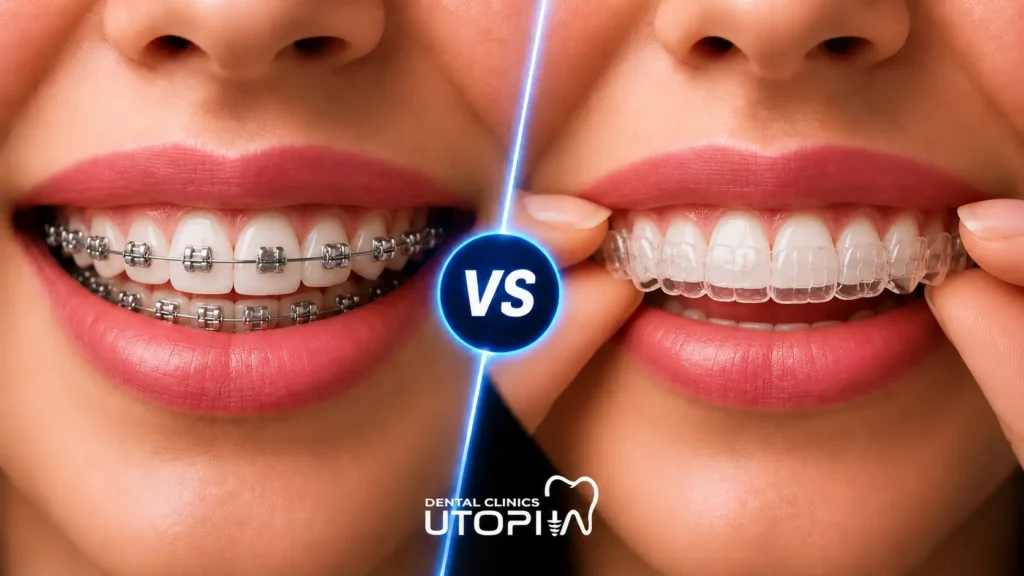
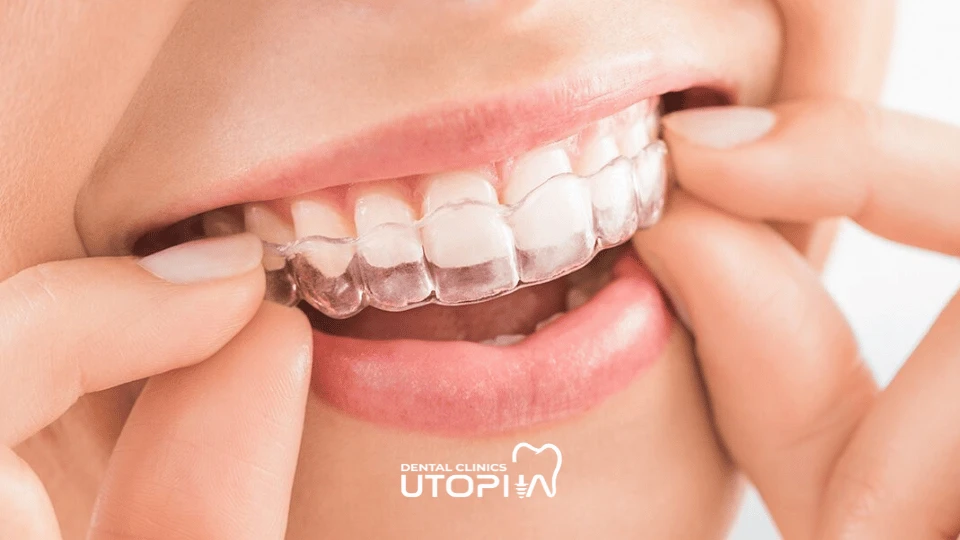
Clear aligners are a modern orthodontic technique that relies on removable, transparent trays, each specially designed for each patient, to move teeth into their correct positions gradually.
These trays are manufactured using advanced digital 3D scanning technology to ensure highly accurate measurements and treatment planning. The aligners are changed gradually according to specific stages to move the teeth in a carefully planned way.
Now that we understand the concept of clear aligners and how they work, let’s move on to explaining the main pros and cons of clear aligners to help you determine whether this option suits your dental condition and lifestyle.
Pros and Cons of Clear Aligners
Clear aligners offer many benefits that have made them one of the most requested orthodontic treatments, especially with the major advancements in modern orthodontic installation techniques.
However, they may not be the ideal option for all cases, which is why it is important to understand both the pros and cons of clear aligners before starting treatment.
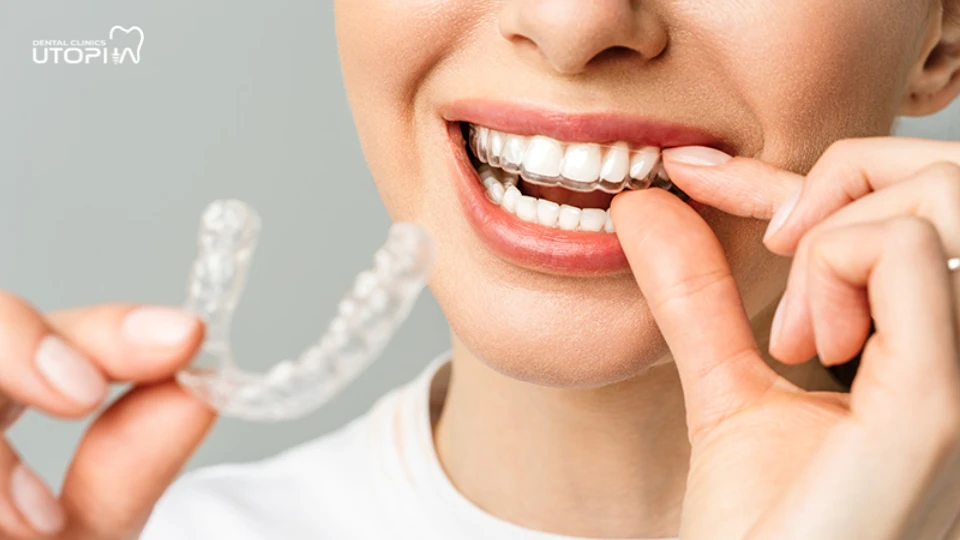
Pros of Clear Aligners
1. Easy to Remove
One of the biggest advantages of clear aligners is that they are removable. Patients can take the trays out while eating or brushing their teeth, giving them greater flexibility in daily life compared to fixed braces.
2. Greater Comfort Inside the Mouth
Clear aligners do not contain wires or metal brackets that may irritate the cheeks or gums, which is why many patients find them more comfortable than traditional braces.
Additionally, the trays are custom-designed for each case, helping to:
- Reduce irritation inside the mouth
- Minimize sharp pressure sensations
- Improve adaptation to the aligners more quickly
Some reports also show that patients using clear aligners complain less about minor sores or injuries commonly associated with metal braces and wires.
3. A More Aesthetic Appearance
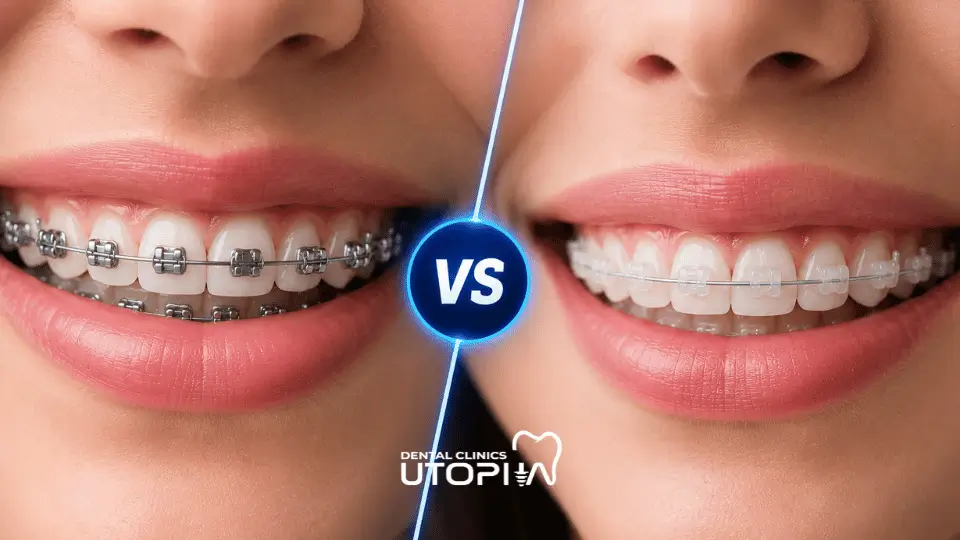
Aesthetic appearance is one of the main reasons many people choose clear aligners. They are almost invisible inside the mouth compared to traditional metal braces, which is one of the clearest differences between clear aligners and metal braces in terms of appearance during treatment.
For this reason, adults and people who care about their appearance during work or social events often prefer clear aligners because they allow them to speak and smile more confidently without drawing attention to their orthodontic treatment.
Some studies indicate that a large percentage of adult patients choose clear aligners mainly for cosmetic reasons, especially in work environments and daily meetings.
4. Advanced Digital Technology
Modern clear aligner systems rely on advanced digital technologies such as:
- Digital imaging
- 3D scanning
- Computerized treatment planning
These technologies help:
- Improve diagnostic accuracy
- Predict the final smile appearance before treatment begins
- Enhance precision in tooth movement during treatment
In some advanced systems, digital scanning accuracy can reach less than 0.1 mm, giving dentists greater precision when designing customized treatment plans.
5. Fewer Food Restrictions
Since clear aligners are removable, patients usually do not need to follow strict dietary restrictions like those associated with metal braces.
Patients can remove the trays while eating and wear them again after brushing their teeth, allowing them to enjoy most foods without worrying about damaging wires or brackets.
6. Suitable for Modern Lifestyles
Clear aligners are considered an ideal choice for people looking for effective orthodontic treatment without significantly affecting their appearance or daily activities.
They are especially popular among:
- Employees and business professionals
- University students
- People who frequently attend meetings or social events
Because they provide a more natural appearance throughout treatment.
7. Effective Results in Many Cases
Clear aligner technologies have advanced significantly in recent years and can now treat a wide range of dental problems, especially:
- Mild to moderate crowding
- Gaps between teeth
- Certain bite problems
Treatment success mainly depends on:
- The severity of the case
- The dentist’s expertise
- The patient’s commitment to wearing the aligners for 20 to 22 hours daily
8. Fewer Dental Visits in Some Cases
In some treatment plans, patients may require fewer follow-up visits compared to traditional braces, especially when modern digital systems are used to monitor treatment stages more accurately.
This provides:
- More convenience for patients
- Greater flexibility in follow-ups
- A more organized and comfortable treatment experience
9. Improved Self-Confidence During Treatment
Clear aligners help many patients feel more confident during treatment because they are less noticeable than traditional braces, reducing embarrassment while speaking or smiling.
For this reason, clear aligners have become one of the most popular orthodontic options among adults in recent years.
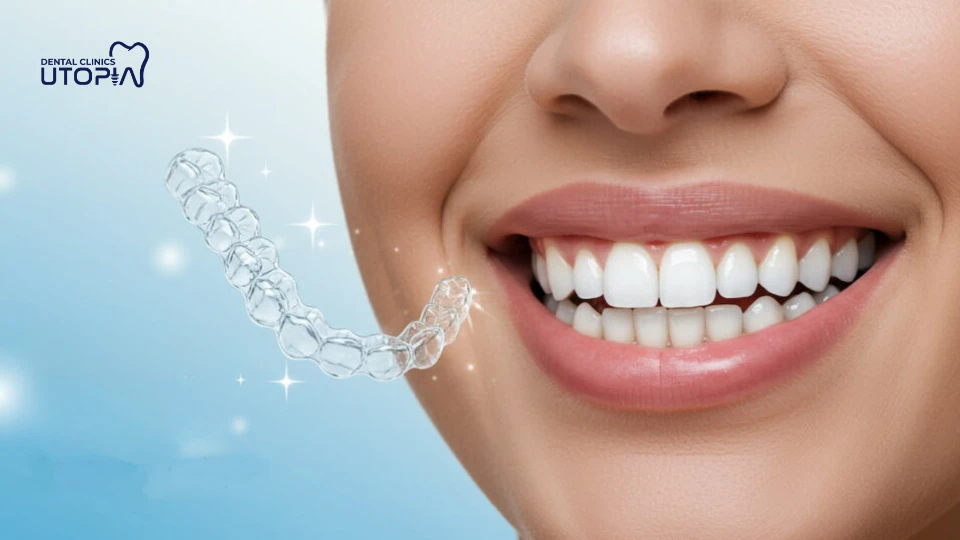
Cons of Clear Aligners
1. Requires Strong Commitment
Clear aligners usually need to be worn for 20 to 22 hours daily to achieve the desired results, and a lack of commitment may affect treatment speed and effectiveness.
2. May Not Suit Complex Cases
Some severe cases of tooth misalignment or complicated jaw problems may require other orthodontic options that provide greater control over tooth movement.
3. Higher Cost
Clear aligners are generally more expensive than metal braces because of the advanced technology used in their design.
4. Frequent Tray Changes
Patients need to change their aligner trays regularly according to the treatment plan, which requires continuous follow-up with the dentist.
Are Clear Aligners Suitable for All Cases?
After understanding the pros and cons of clear aligners, it is clear that although they are among the most advanced and widely used orthodontic treatments, they are not suitable for every case.
Clear aligners are often highly effective for:
- Small gaps between teeth
- Mild to moderate misalignment
- Mild crowding
- Certain limited bite problems
However, more complex cases, such as severe crowding, major jaw disorders, or cases requiring precise root movement, may need metal braces or a combination of treatment approaches to achieve the best results.
Recent studies also suggest that clear aligner success depends heavily on patient commitment to wearing them for the recommended daily duration, which is usually between 20 and 22 hours.
How to Clean and Care for Clear Aligners
Proper care helps maintain the cleanliness and transparency of clear aligners throughout treatment.
Important tips include:
- Clean the trays gently every day
- Wash aligners with lukewarm water only
- Avoid hot water to prevent tray distortion
- Remove aligners while eating
- Brush teeth before wearing the trays again
- Store aligners in their designated case when not in use
It is also recommended to avoid colored drinks while wearing aligners to prevent staining.
Best Clinic for Orthodontic Treatment in Egypt?
Utopia Dental Clinic is considered one of the best dental clinics specializing in advanced orthodontic technologies such as clear aligners and digital 3D imaging, offering customized treatment plans for each patient to achieve the best possible results with maximum comfort and precision.
Cost of Clear Aligners
The cost of clear aligners varies depending on several factors, including:
- The degree of teeth misalignment
- Treatment duration
- Number of aligner trays needed
- Dentist experience
- Technologies used in the clinic
Clear aligners are generally more expensive than metal braces due to the advanced digital technology used in tray design and treatment planning.
Therefore, a comprehensive dental examination is recommended to determine the appropriate cost for each case.
FAQs About Clear Aligners
1. Are Clear Aligners As Effective As Metal Braces?
Yes, they provide effective results in many mild to moderate cases, while some complex cases may require metal braces.
2. Can You Eat While Wearing Clear Aligners?
No, aligners should be removed while eating or drinking hot beverages to protect them from damage or staining.
3. How Many Hours Should Clear Aligners Be Worn Daily?
They are usually recommended for 20 to 22 hours daily for the best results.
4. Do Clear Aligners Change Color?
Brush regularly, use dental floss, an antiseptic mouthwash, and visit your dentist for professional cleaning and treating the root cause.
5. Are Clear Aligners Suitable For Adults?
Yes, they are one of the most popular orthodontic choices among adults because of their nearly invisible appearance and comfort.
6. Are Clear Aligners Painful?
They may cause mild pressure at the beginning of each treatment stage, but they are generally considered more comfortable than metal braces.
7. How Long Does Clear Aligner Treatment Take?
Treatment duration varies depending on the case, but it usually ranges from 6 months to 2 years.
8. Can Clear Aligners Be Removed During Special Occasions?
Yes, they can be removed for short periods, but patients should still follow the recommended daily wear time to maintain treatment progress.
9. How Are Clear Aligners Cleaned?
They should be cleaned daily using lukewarm water and a soft brush to maintain their cleanliness and transparency.
10. Are Clear Aligners Suitable For All Cases?
Not always. Some complex dental cases may require metal braces depending on the dentist’s evaluation.